Our commitments
An energy transition that makes sense for local territories
At Corsica Sole, we are committed to an energy transition that is useful, sustainable and responsible—one that places territories and their stakeholders at the heart of every project.
This means designing facilities that take people, the environment and local economic challenges into account, and that are rooted in a long-term co-development approach.
Projects built with and for local territories
Each project begins with consultation involving local stakeholders: local authorities, residents, farmers, businesses and associations. We firmly believe that a well-designed project is, above all, a shared project. Far from standardised models, we adapt our solutions to the specific characteristics of each territory in order to meet concrete and sustainable needs.
Prioritising local employment and skills
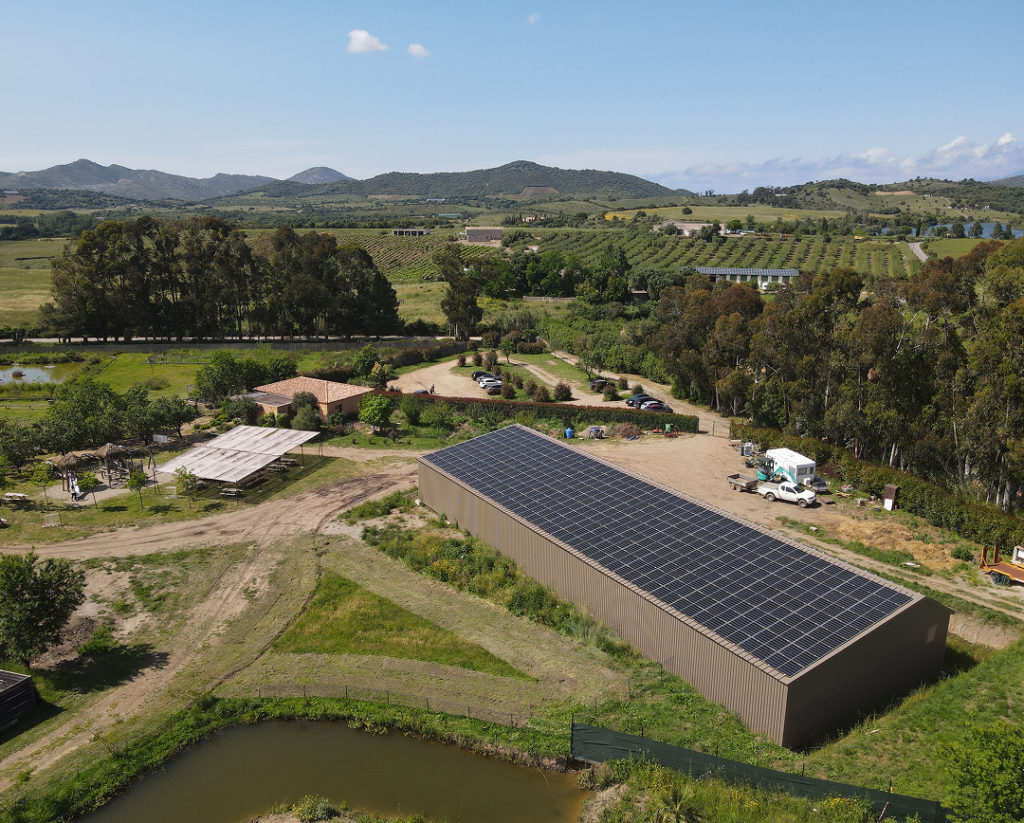
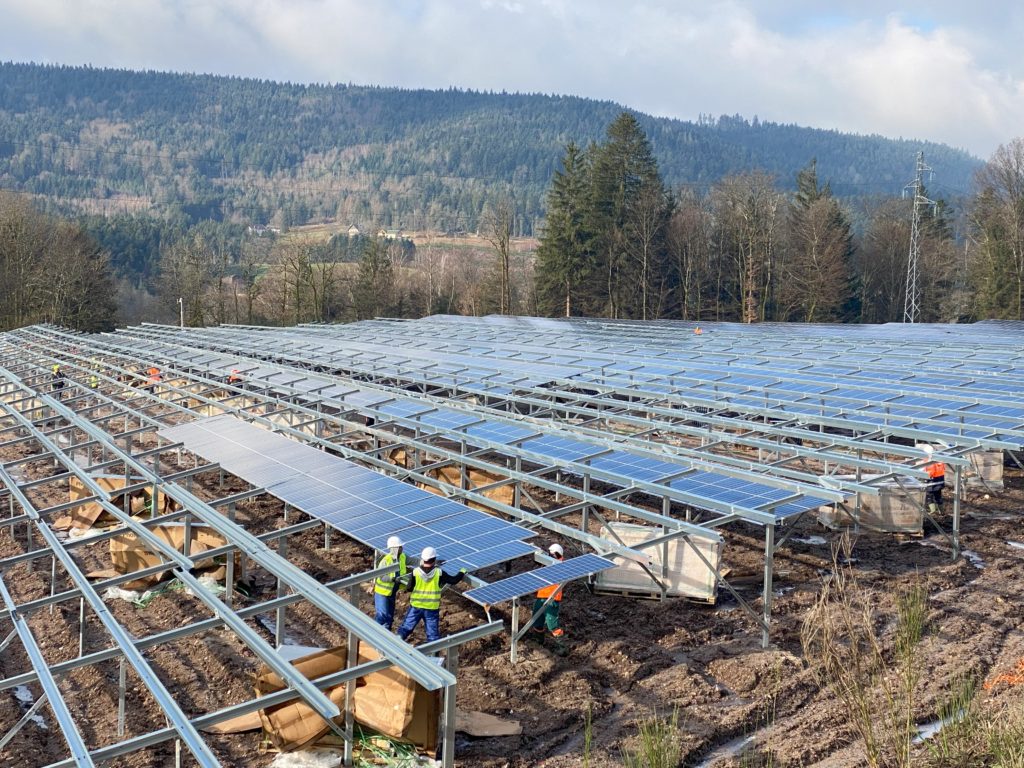
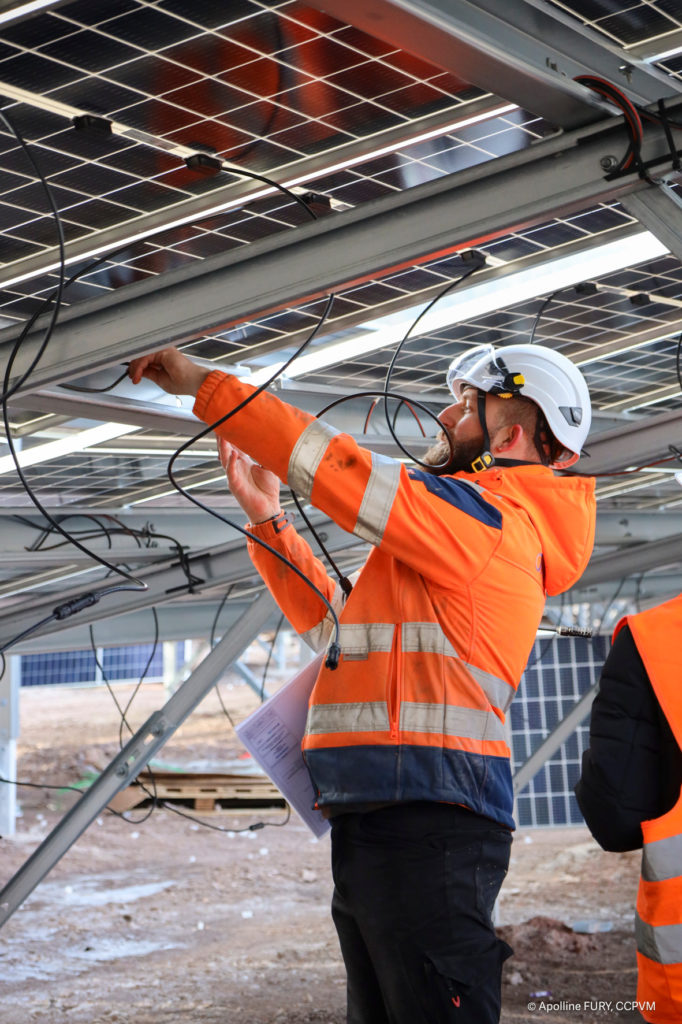
As part of its projects, Corsica Sole is committed to primarily engaging locally established companies and professionals at every stage of the installations’ life cycle—development, construction and operation.
This approach helps preserve and strengthen local expertise, supports local economic activity and fosters better coordination of operations. It also enables greater responsiveness on the ground and builds lasting, close relationships with all stakeholders.
Reducing our footprint and enhancing spaces
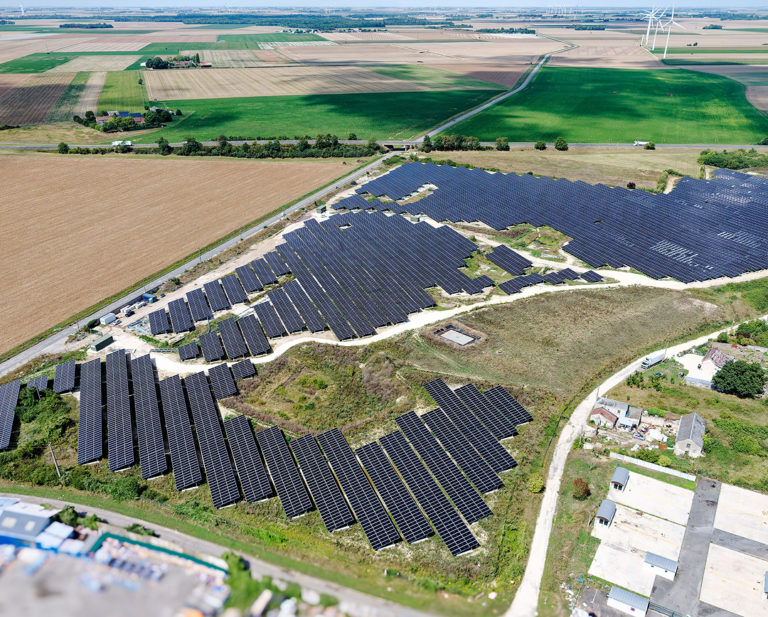
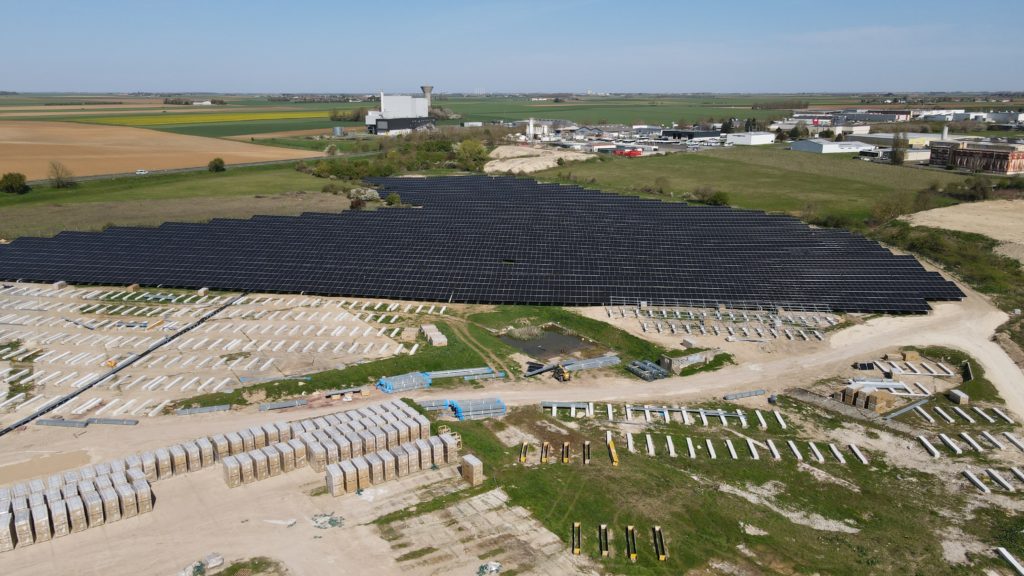
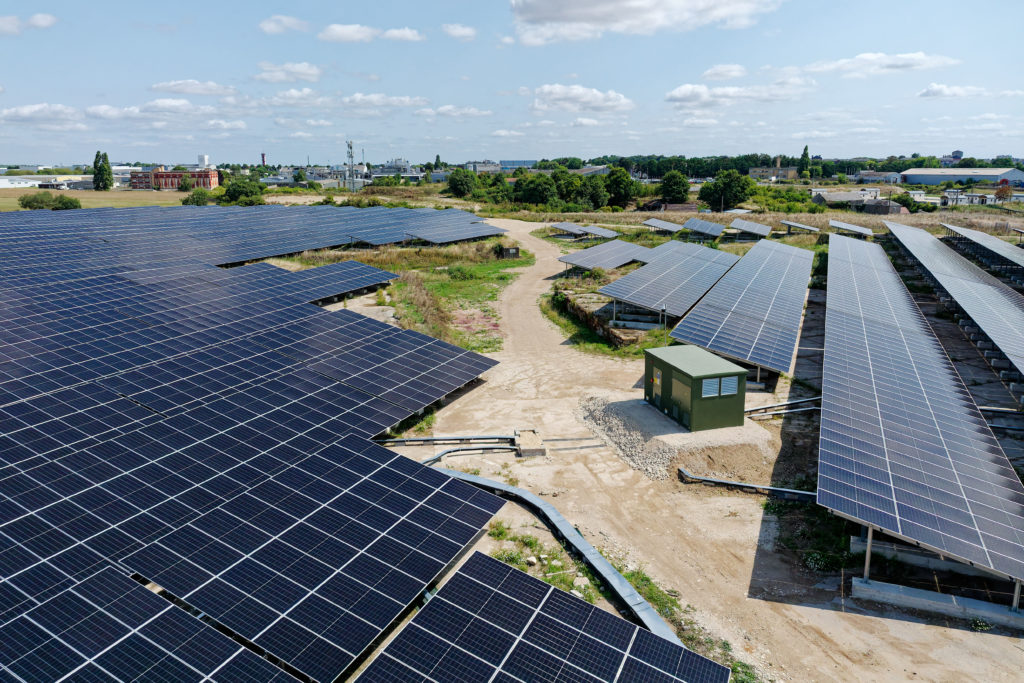
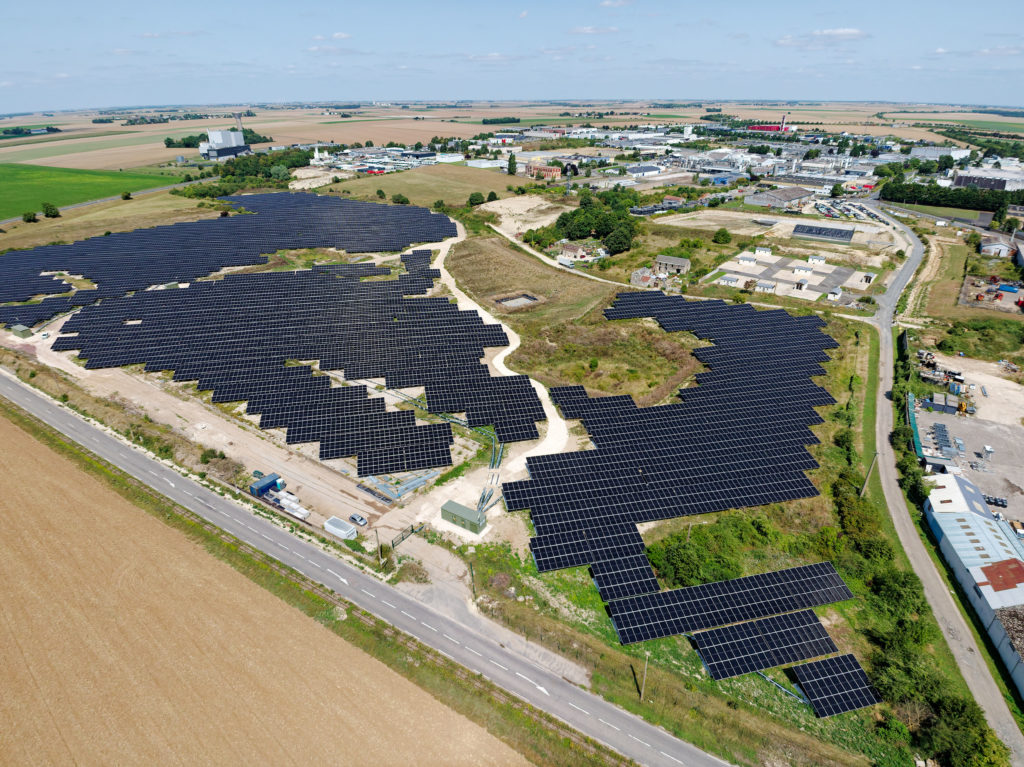
Our projects are part of a responsible development approach, with priority given to installation on brownfield sites or already degraded land in order to limit soil artificialisation. Each project is designed to integrate harmoniously into its environment. Concrete measures are implemented to preserve biodiversity, optimise resource use and anticipate the recycling of components at the end of their life cycle.
Engaging citizens in the energy transition of our territories
Convinced that the energy transition must be inclusive, local and participatory, Corsica Sole implements participatory financing mechanisms for certain renewable energy production projects.
These schemes enable local residents to:
- invest directly in projects located in their territory,
- benefit from local economic returns,
- become actively involved in the development of renewable energies.
This approach fosters local ownership of projects, strengthens ties with territories and contributes to the creation of shared value between the company and citizens.
At Corsica Sole, territorial commitment goes beyond the production of renewable electricity. Above all, it is about designing projects that are useful, aligned with residents’ needs, respectful of social, economic and environmental balances, and developed in close collaboration with local stakeholders.
This approach guides our vision of local, citizen-driven and responsible energy.
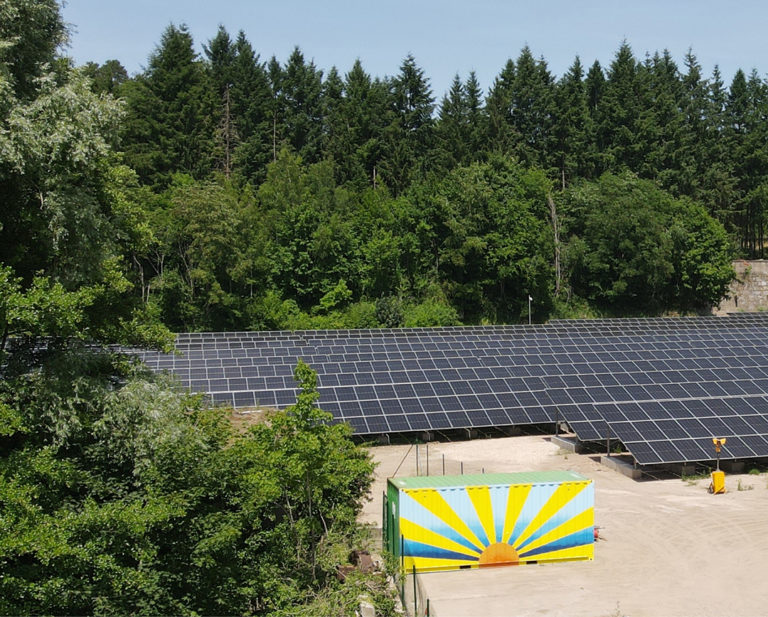
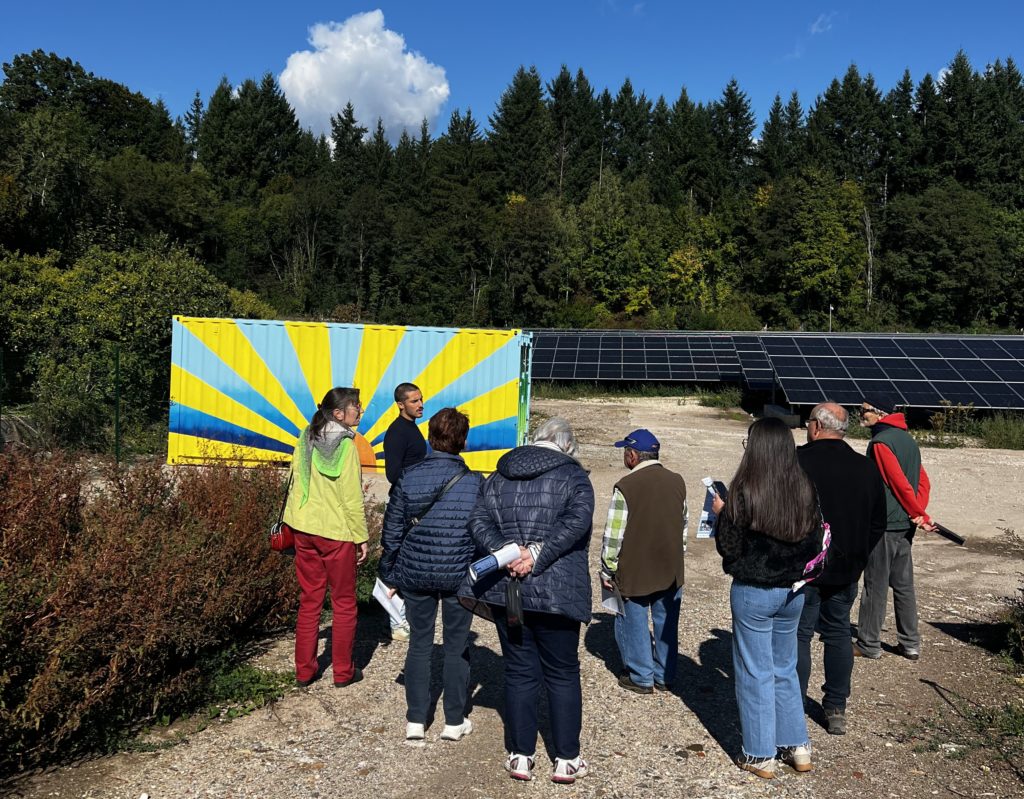
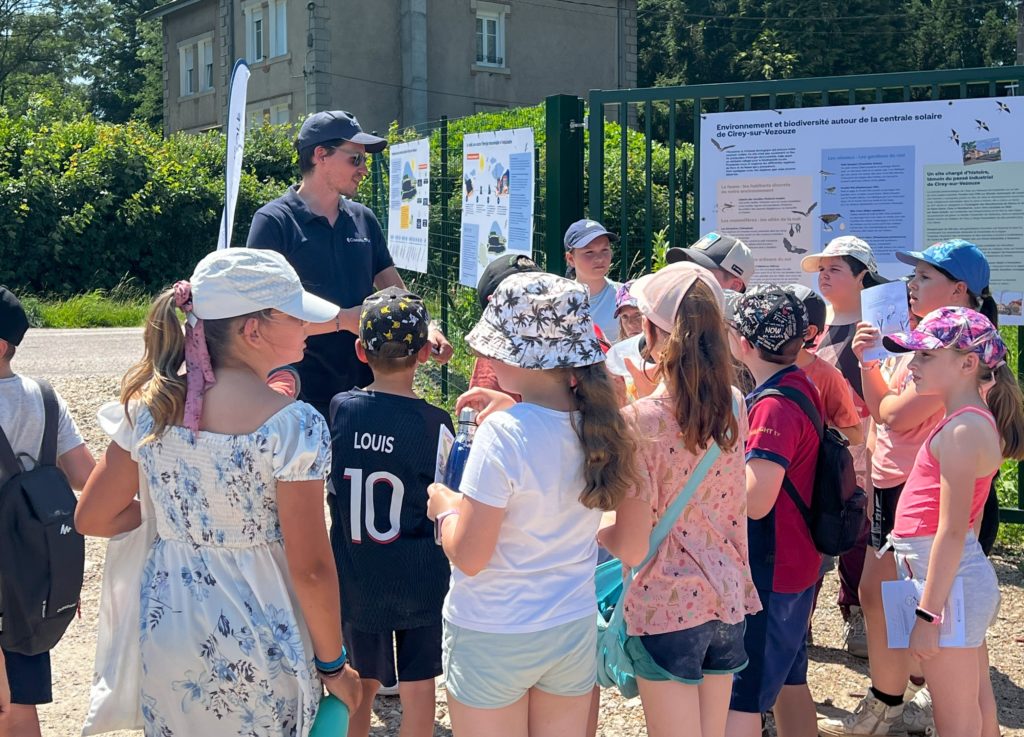
Educational visits to the Cirey-sur-Vezouze power plant with local residents and schoolchildren from the municipality.
Solar projects that respect biodiversity
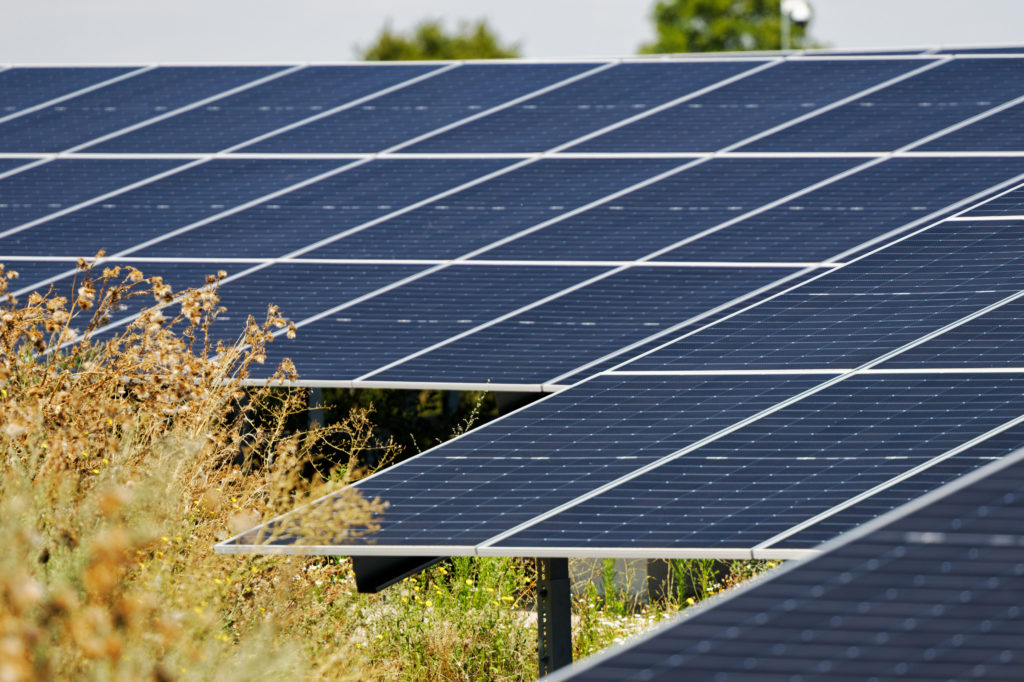
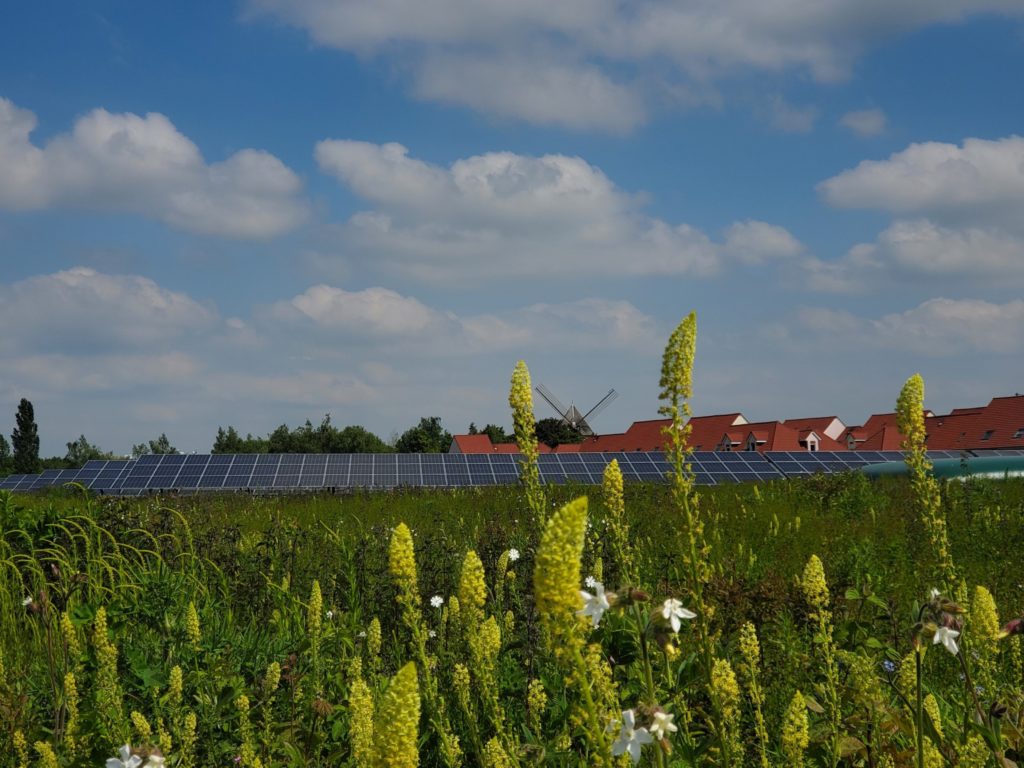
At Corsica Sole, the protection of biodiversity guides every stage in the life cycle of a photovoltaic project. From design through to operation, we do everything possible to ensure our power plants are harmoniously integrated into their natural environment.
Designing projects on sites with low ecological sensitivity
From the site identification phase, we prioritise areas with limited ecological sensitivity in order to minimise impacts from the outset. In particular, we favour industrial brownfields and degraded sites.
Project examples:
- Beuvry, developed on the site of a former coal-fired power plant;
- Cirey-sur-Vezouze, built on the site of a former glassworks.
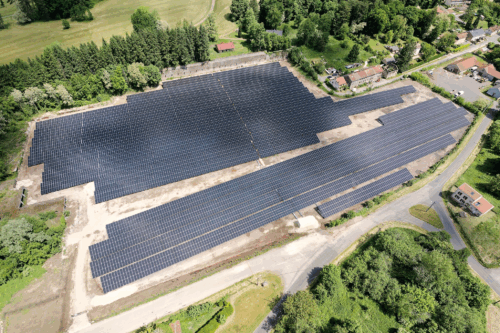
This approach avoids the artificialisation of new land and contributes to the sustainable redevelopment of abandoned sites.
Integrating biodiversity into plant design
Once a site has been selected, we work with specialist environmental consultancies to design projects that respect local fauna and flora.
We adapt the layout and design of our facilities to preserve sensitive ecological areas.
Notable examples:
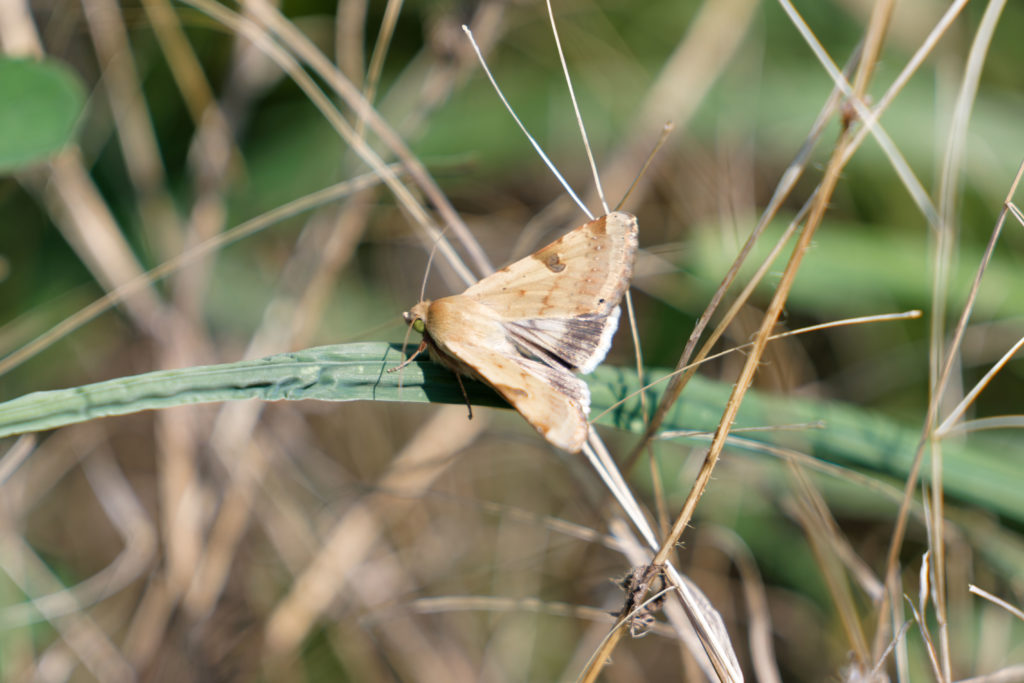
- At the Picarreau power plant (Jura), a vegetated island was preserved to maintain the breeding habitat of a rare and threatened butterfly, the Bacchante.
- At Dommartin-lès-Remiremont (Vosges), a protected area was set aside to allow ground nesting by the little ringed plover, a protected species.
Reducing impacts and promoting ecological continuity
Working closely with ecologists, we implement tailored mitigation measures for each project, including:
- adjusting construction schedules to avoid sensitive periods for wildlife,
- creating wildlife passages in fencing to allow the movement of small mammals,
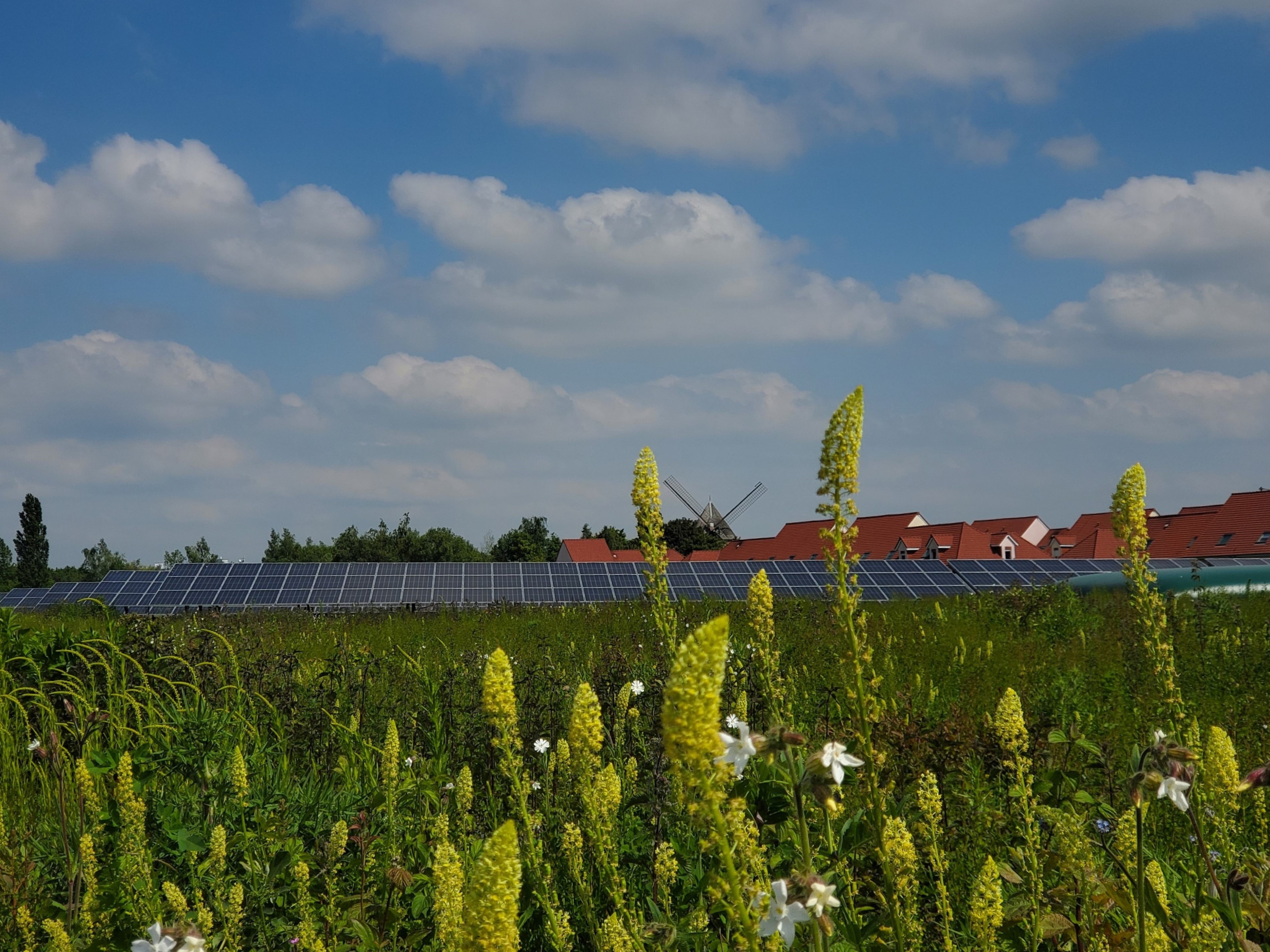
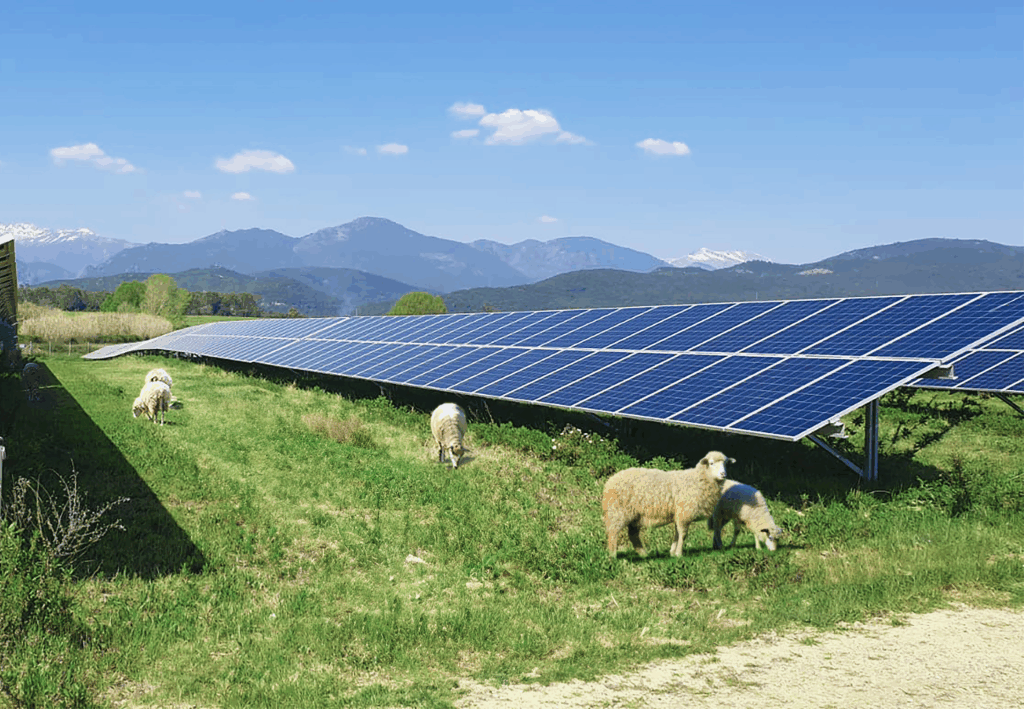
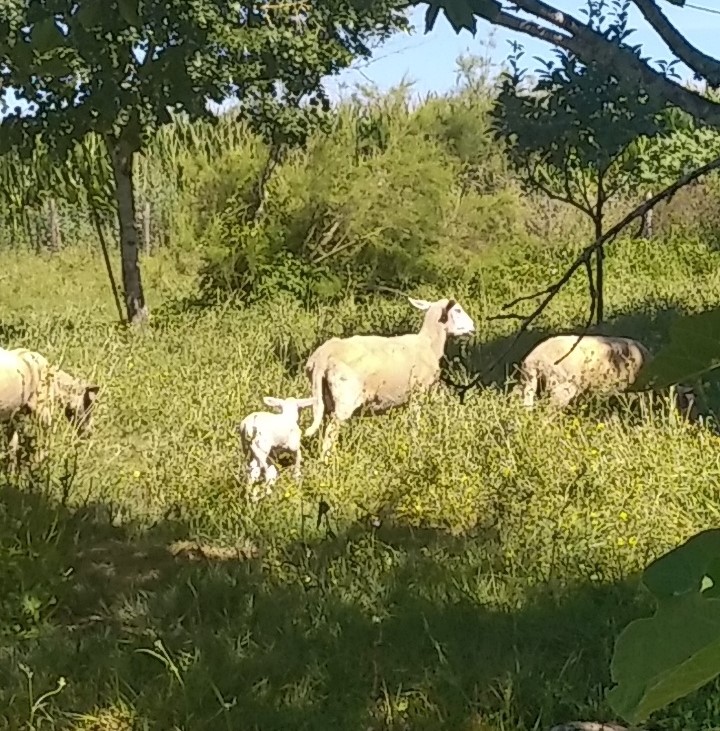
- ecological vegetation management, favouring sheep grazing and excluding the use of phytosanitary products.
These measures help maintain ecological continuity while enabling the development of renewable energy production.
Ensuring long-term ecological monitoring
Avoidance, reduction and compensation measures (the ERC approach) are subject to rigorous ecological monitoring during construction and throughout the operational life of our power plants.
This monitoring allows us to adjust the measures implemented and continuously improve their effectiveness.
Relying on science and research
To remain aligned with the latest scientific knowledge, we maintain active monitoring of research and take part in national conferences on biodiversity and renewable energies.
We also collaborate with the research community by opening our sites to scientific study programmes.
This is notably the case with the Envoltaïque programme (ADEME / OFB), which analyses the effects of ground-mounted photovoltaic plants on bird communities.
Working with local environmental stakeholders
Our projects are developed in close dialogue with local environmental organisations, including:
- Conservatoires of Natural Areas,
- the National Forestry Office (ONF),
- the League for the Protection of Birds (LPO),
- France Nature Environnement,
- and numerous local associations.
We also regularly carry out awareness-raising initiatives for local residents, such as the visit organised in June 2025 at the Picarreau power plant with Jura Nature Environnement.
Our guiding principles
These principles underpin all our projects and reflect Corsica Sole’s long-term commitment.