Folell’Hy, a hydrogen plant: Corsica’s first green hydrogen production facility
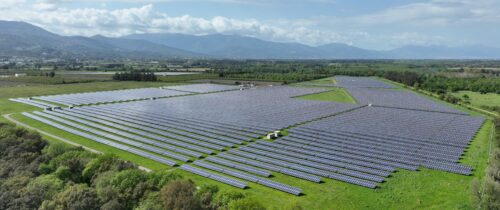
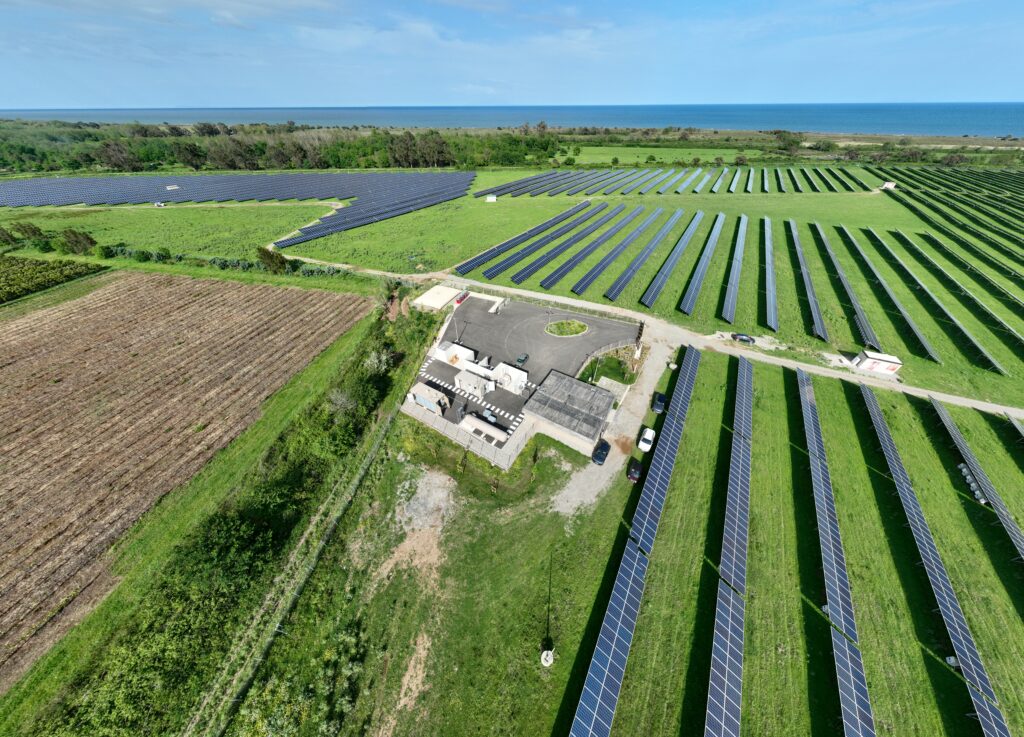
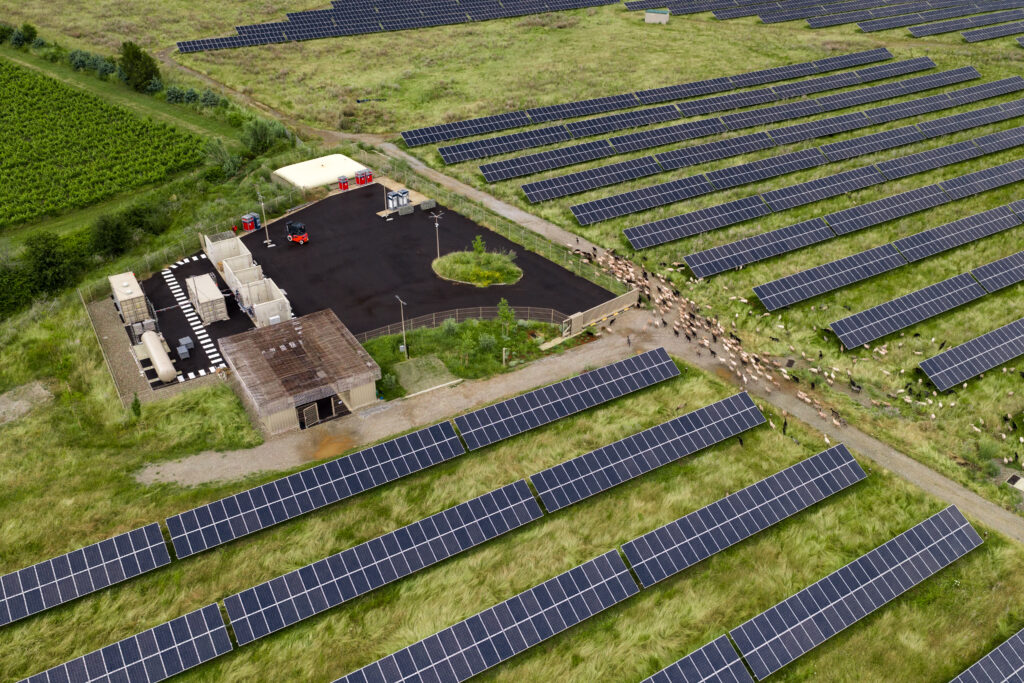
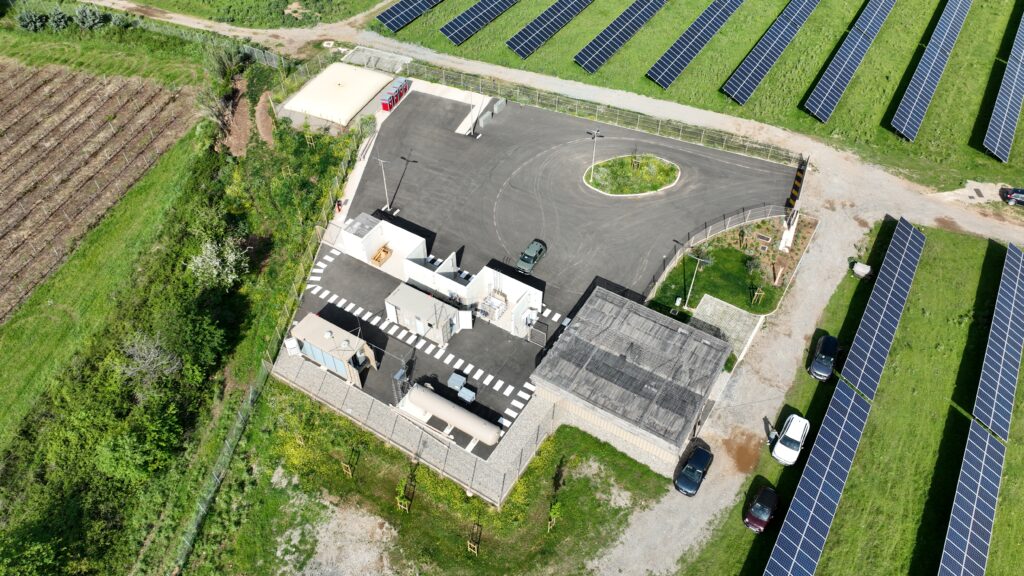
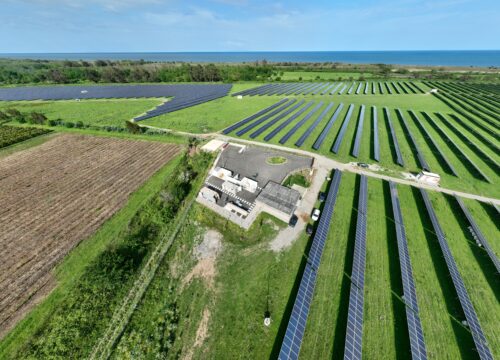
Located at the heart of the Folelli solar power station, Folell’Hy is a pilot green hydrogen production unit developed by Corsica Sole. What makes it unique is that it utilises some of the solar electricity generated on-site when it cannot be fed into the grid, by converting it into renewable hydrogen.
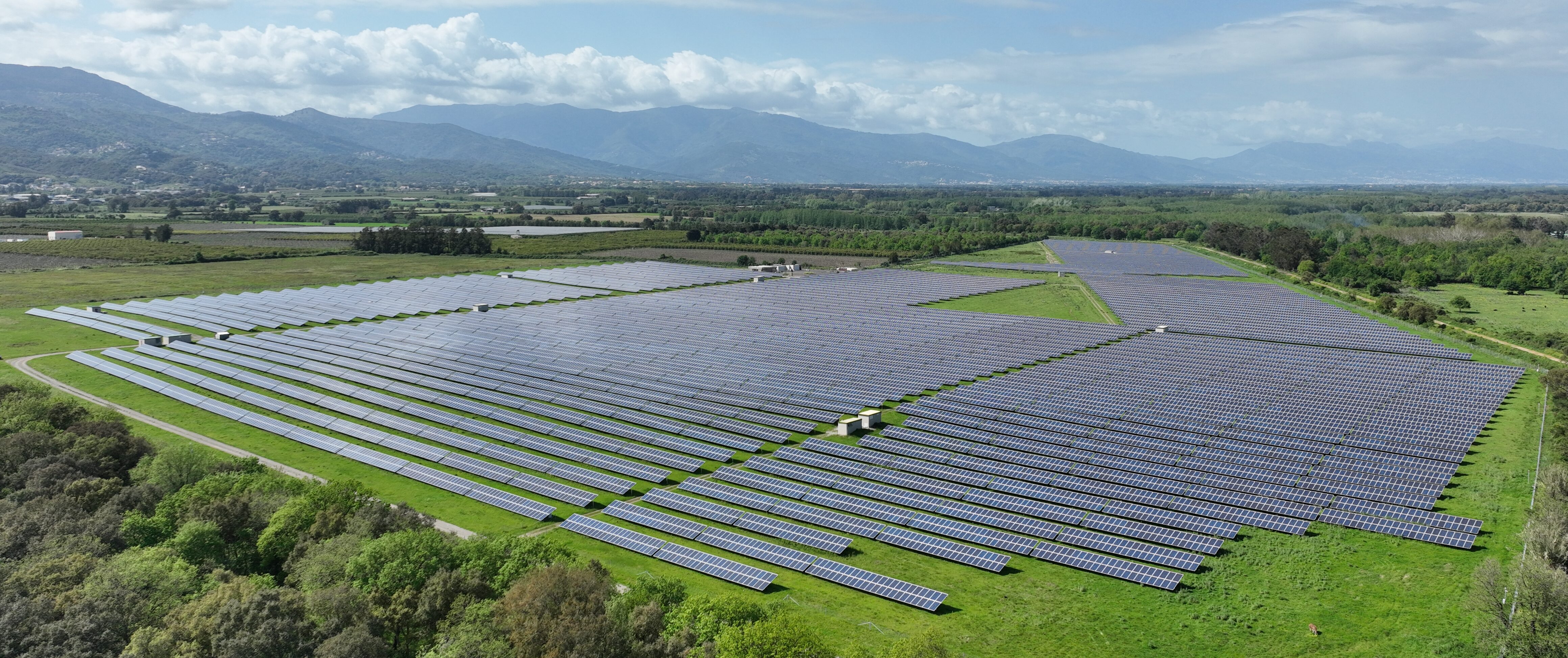
Commissioned in 2017, the Folelli solar power station has a capacity of 12 MWp and produces approximately 18 GWh of renewable electricity each year. Like other solar power stations in Corsica, it may be subject to output restrictions necessary to maintain the stability of the island’s electricity grid. Consequently, some of the electricity that could be generated is not distributed to consumers
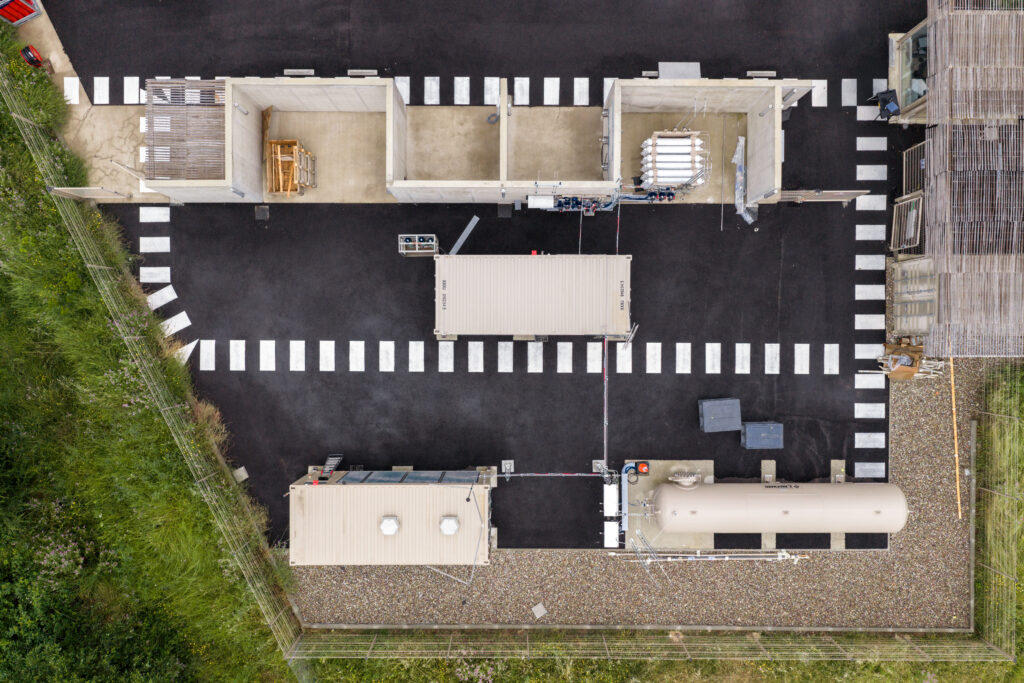
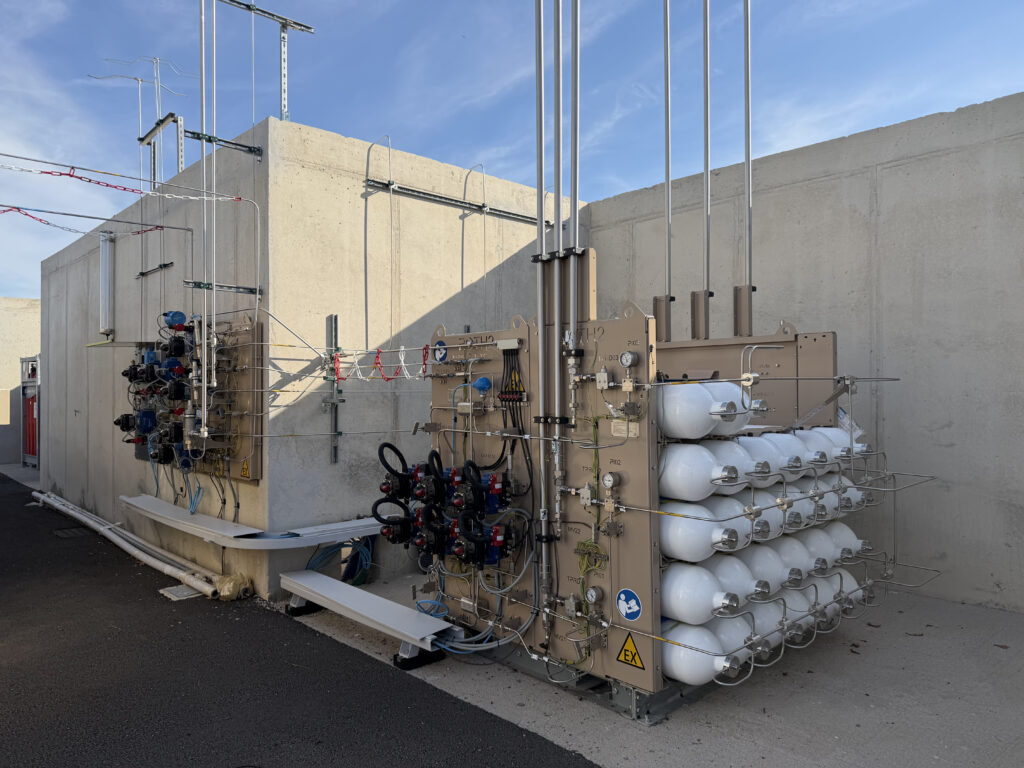
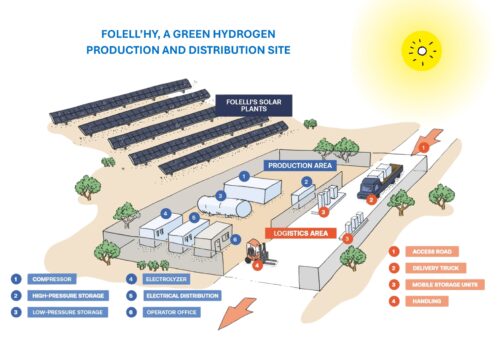
It was to find a new use for this surplus energy that Corsica Sole developed Folell’Hy. The available solar electricity powers an electrolyser that converts water into green hydrogen. Equipped with an electrolyser with a capacity of 30 Nm³/h and a storage capacity of 100 kg of hydrogen, the facility enables the testing of a complete process chain, from hydrogen production to its storage, packaging and distribution.
Folell’Hy thus serves as a full-scale demonstration project to explore new ways of harnessing renewable energy and to support the development of a hydrogen sector in Corsica
From solar electricity to green hydrogen
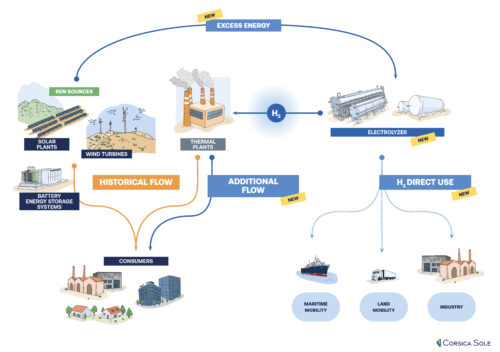
Hydrogen enables electricity to be converted into an energy resource that can be stored and used at a later date. When produced by electrolysis of water using renewable electricity, it is termed ‘green’ hydrogen as it is obtained by utilising surplus renewable energy.
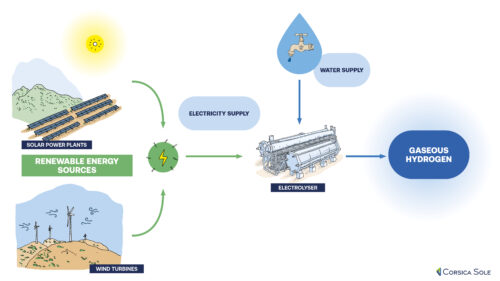
At Folell’Hy, this electricity comes directly from the site’s solar power generation. When not all the available energy can be fed into the grid, some of it can be channelled to the electrolyser. This uses electricity and water to produce hydrogen gas.
Renewable hydrogen production:
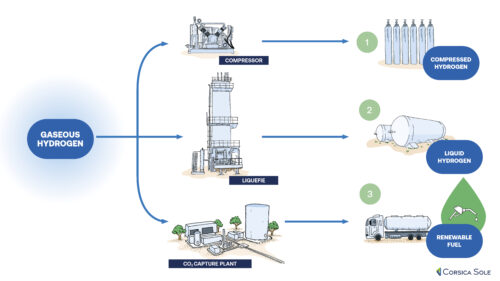
The hydrogen is then compressed and stored under pressure so that it can be packaged, transported and subsequently used for various energy purposes.
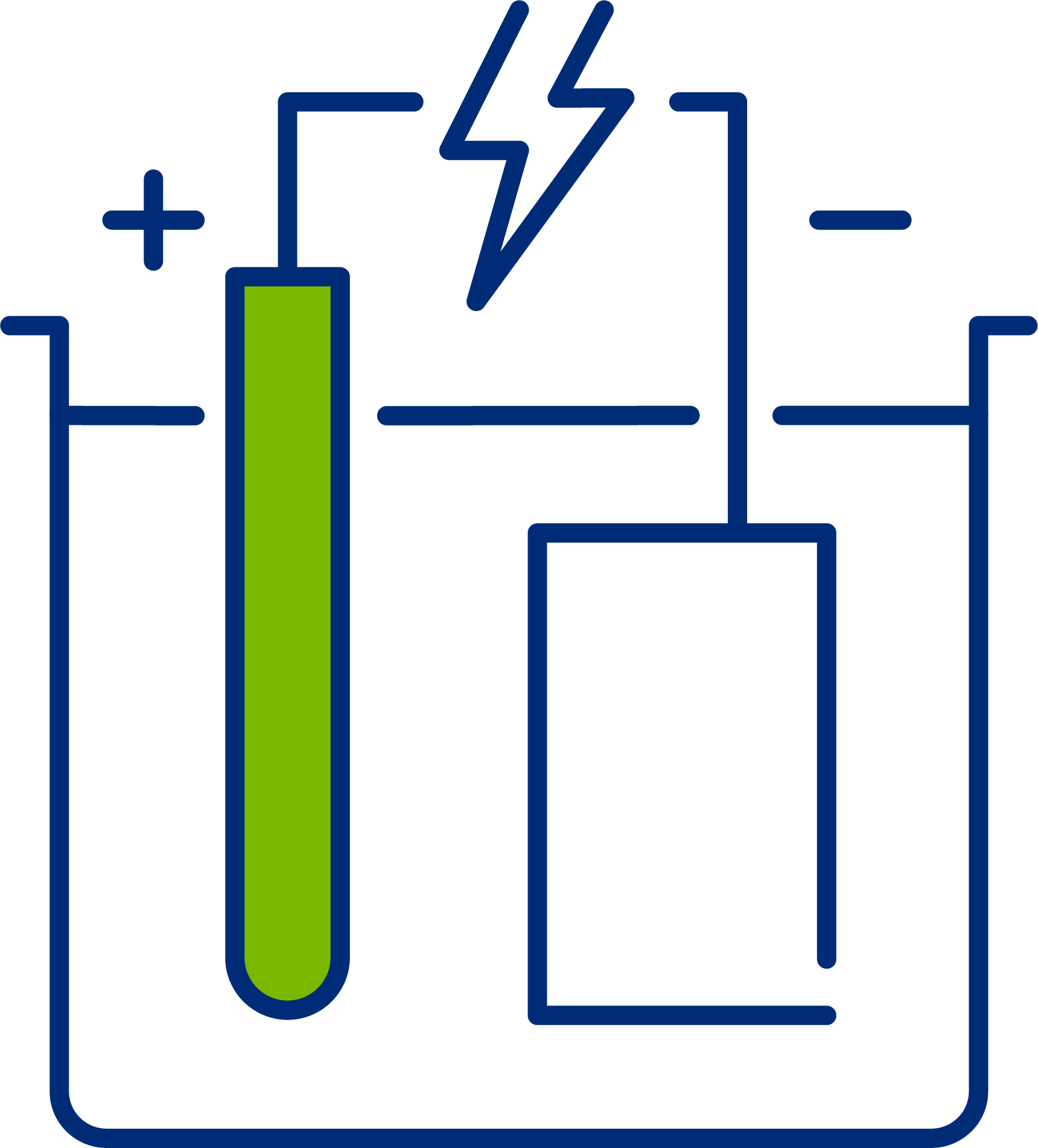
The illustration shows the general principle of production: renewable energy sources supply an electrolyser with electricity, whilst water is also fed into it, thereby enabling hydrogen to be produced.
Converting surplus solar energy into green hydrogen
In Corsica, as in any island electricity system, the balance between generation and consumption must be maintained at all times. When solar generation exceeds demand or the grid’s capacity, some of the available electricity cannot be fed into the grid.
It was in response to this constraint that Corsica Sole devised Folell’Hy: rather than allowing this solar energy to go to waste, it is redirected to the hydrogen production unit and used to produce green hydrogen.
This energy powers an electrolyser, which uses electricity to produce hydrogen from water.
The project thus creates genuine synergy between the two facilities: the solar power station generates renewable electricity, whilst Folell’Hy offers a new way of utilising part of this energy when it cannot be fed into the grid
From solar power generation to hydrogen applications
Folell’Hy does more than just produce hydrogen.
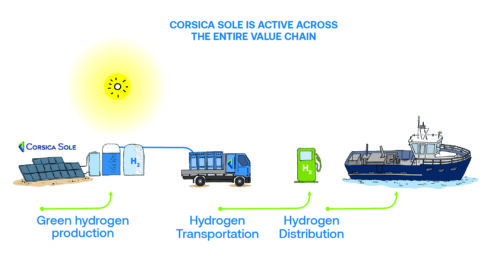
As a true demonstration project, it is trialling a complete supply chain ranging from production to storage and distribution, with a view to developing local applications for renewable hydrogen.
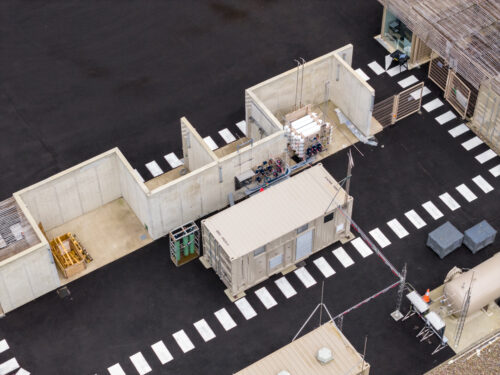
Located directly at the Folelli solar power station, the facility brings together all the equipment required for this supply chain: an electrolyser, compression systems, pressurised storage, electrical distribution, and dedicated areas for packaging and logistics.
This configuration enables Corsica Sole to carry out practical trials of producing renewable hydrogen from locally generated solar energy, followed by its storage and provision for new applications.
Initial practical applications for hydrogen produced in Corsica
Folell’Hy also aims to foster local uses of renewable hydrogen.
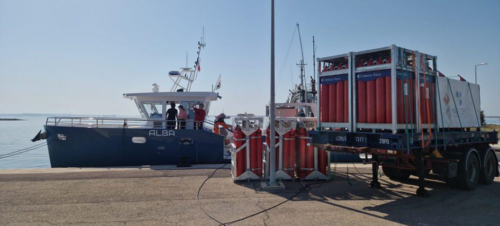
One of the first applications is Alba, the training vessel of the Bastia Maritime and Aquaculture Vocational College. Measuring 20 metres in length, this vessel is powered by a 100 per cent electric propulsion system fuelled by renewable hydrogen.
The hydrogen produced at Folell’Hy can be stored in pressurised tanks and then transported to the refuelling site, where it is transferred to the vessel’s tanks.
This first application thus brings the entire supply chain developed around Folell’Hy to fruition :
Practical and innovative applications:
Clement’Hyne
A mobile distribution system that paves the way for the development of an island-wide hydrogen network.
The training ship Alba
The first 100 per cent electric-powered vessel, fuelled by renewable hydrogen.
It sails emission-free from the port of Bastia, providing a concrete example of the transition to carbon-free transport.
The Bastia Maritime College
More than just a project partner, it is also one of the primary beneficiaries, which will use renewable hydrogen to refuel the Alba, thereby strengthening the link between training, innovation and sustainable development by training future seafarers in clean maritime transport.
Educational visit by students on the BTSM course in Fisheries and Marine Environmental Management at the Bastia Maritime College
An ‘Alchymiste’ demonstration project: trialling a new energy model for island regions
Folell’Hy forms part of the Alchymiste project, winner of the innovation competition organised by the i-Nov competition run by Bpifrance and supported by France 2030.
The project enables Corsica Sole to explore a new way of utilising solar electricity and to develop its expertise in the production and applications of renewable hydrogen.
With Folell’Hy, this approach takes on a practical dimension: producing hydrogen from solar electricity that cannot always be utilised directly, storing it and trialling new applications across the region.
The experience gained in Corsica will thus help to assess the replicability of this model in other island regions or remote areas.
If the Corsican trial proves successful, it could be replicated in other overseas territories, as well as on the mainland, in remote areas where upgrading the electricity grids remains costly and complex.
Direct synergy with the Folelli solar power station
Folell’Hy is inextricably linked to the solar power station on which it is situated. Commissioned in 2017, the Folelli solar power station covers 32 hectares and has a capacity of 12 MWp. Its 45,000 photovoltaic panels generate around 18 GWh of renewable electricity per year, equivalent to the electricity consumption of more than 10,000 people, including heating.

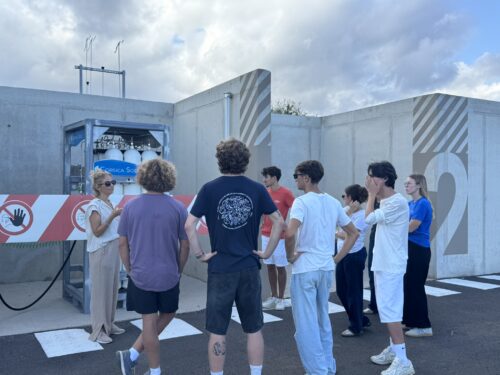 Educational visit by students on the BTSM course in Fisheries and Marine Environmental Management at the Bastia Maritime College