
Agrivoltaics
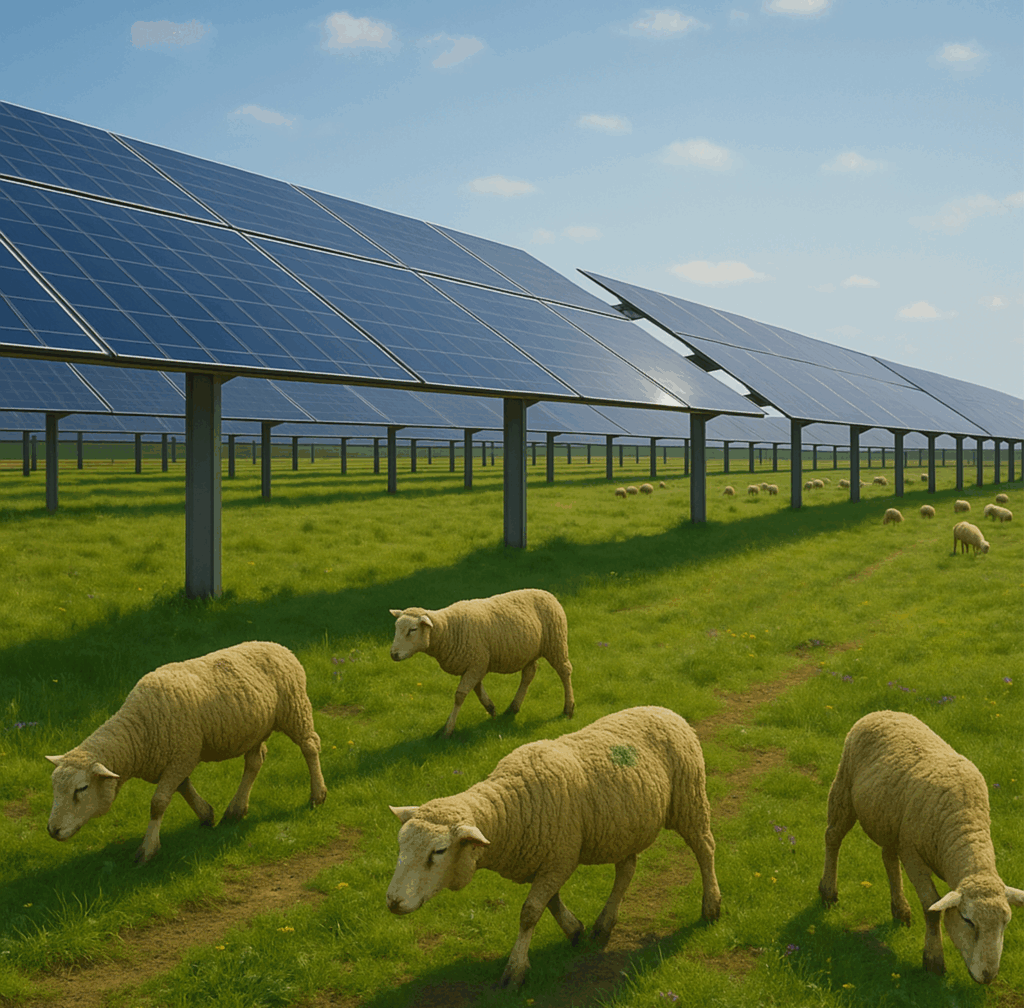
Combining agriculture and energy production, without compromise
From its very beginnings, Corsica Sole has developed close ties with the agricultural sector, notably by equipping farm buildings in Corsica with photovoltaic panels. This collaboration gradually expanded to the use of ground-mounted solar power plants for sheep grazing, well before agrivoltaics benefited from a dedicated regulatory framework.
Feedback from these early projects highlighted the synergies that can exist between extensive livestock farming and renewable energy production. Building on this experience, Corsica Sole has continued to develop agrivoltaic projects, now governed by specific regulatory texts that secure their uses and define the conditions for their deployment.
An agronomic approach at the heart of every project
Agrivoltaics is a relevant solution when it is designed in line with existing farming practices and monitored over the long term. Depending on pedoclimatic conditions and livestock systems, it can help create shaded areas and a localised microclimate, providing protection against certain climatic hazards and contributing to pasture management.
At Corsica Sole, agrivoltaic projects are custom-designed to adapt to the realities of each farm, in particular to ensure:
-
suitability for extensive livestock farming (sheep, cattle, horses, etc.);
-
continuity of existing agricultural practices;
-
harmonious integration into rural areas and their local ecosystems.
A partnership built on expertise and proximity
Because every farm, herd and plot of land has its own specific characteristics, Corsica Sole develops its projects in close collaboration with farmers and local territorial stakeholders.
This approach relies on a dedicated team of agronomists, who support projects from the prospecting phase through to commissioning, and who also provide ongoing monitoring throughout the entire lifetime of the power plants. Their role is to ensure that technical and layout choices meet agricultural needs and remain fully compatible with the farmer’s day-to-day activity.
Identified agricultural and territorial benefits:
Custom-designed projects
Each agrivoltaic project is unique and requires a tailored approach. Corsica Sole has the flexibility needed to adapt installations to land constraints and agricultural uses: structure height and spacing, plot layout, livestock movement, and seasonal resource management.
The objective is to adapt each installation to the realities of the partner farm. No two projects are alike, because no two farms operate in the same way or face the same technical, climatic or economic constraints.
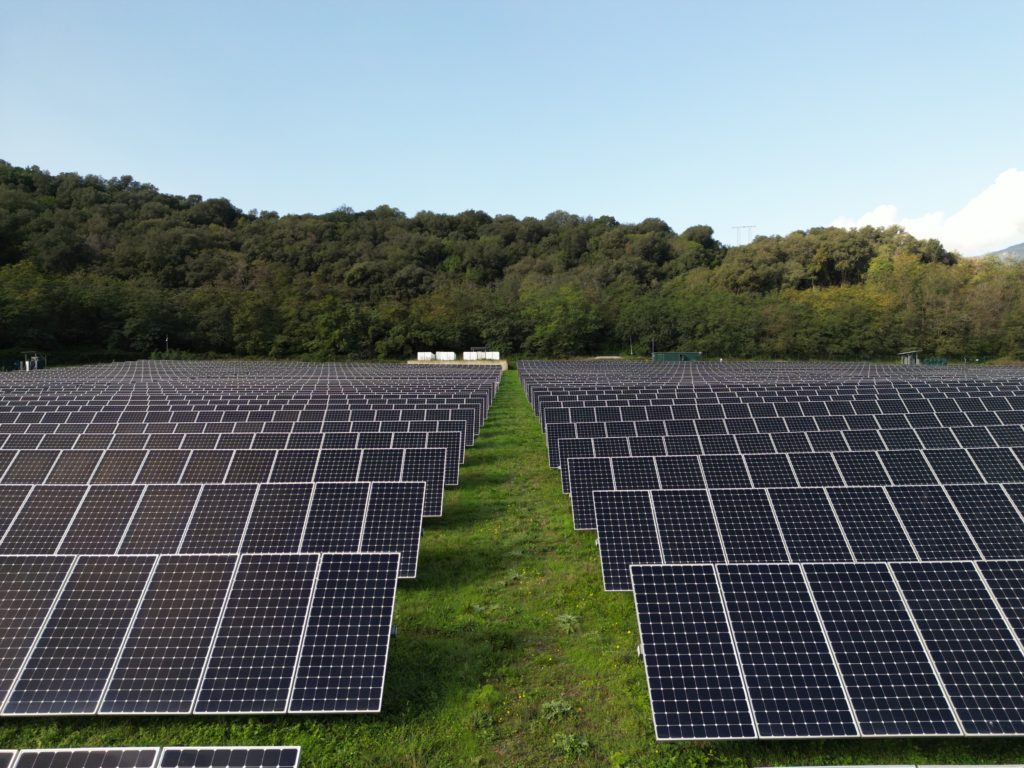
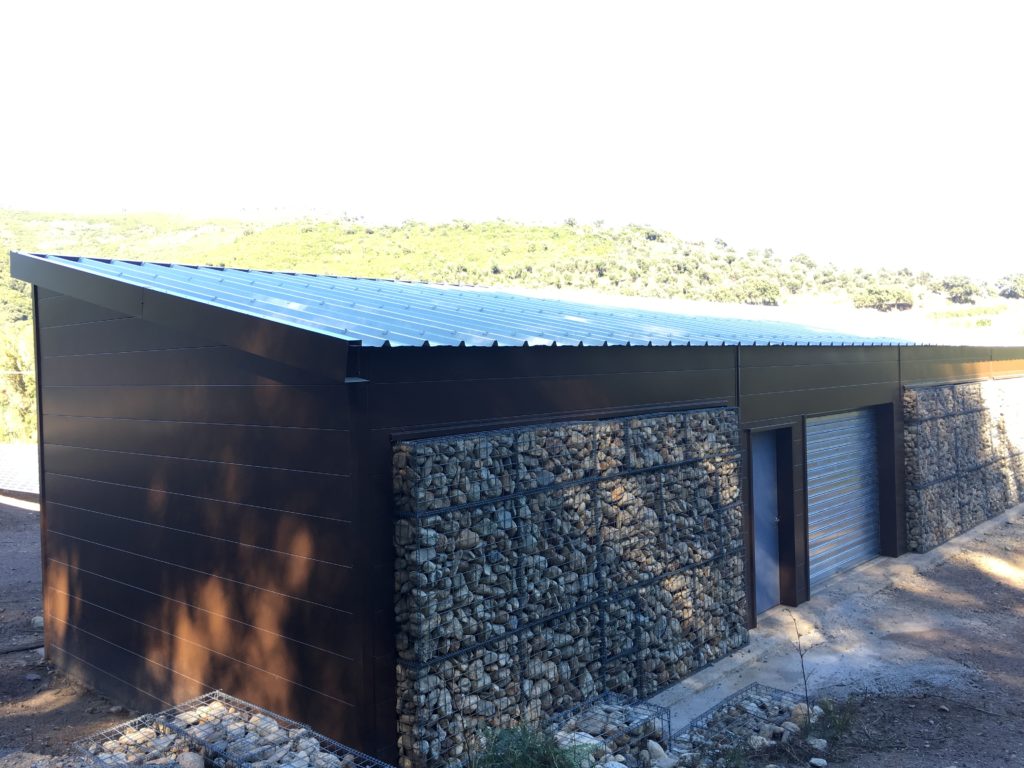
On this site, Corsica Sole has developed a tracker-equipped photovoltaic power plant, combined with an adjacent livestock building. This configuration facilitates agricultural operations on the site while ensuring renewable energy production tailored to the farmer’s needs and to local constraints.
Challenges and outlook: supporting agriculture over the long term
In the face of the climatic and economic challenges confronting the agricultural sector, agrivoltaics can serve as a complementary lever, provided it is designed with rigour and responsibility. By reconciling renewable energy production with the continuation of agricultural activity, it contributes to the long-term viability of farms and the sustainable enhancement of land.
At Corsica Sole, this approach is founded on a strong conviction: the energy transition can only succeed if it is developed in harmony with agricultural practices and the realities of local territories.